Alright, you're staring at that old bathroom, maybe the avocado green tile or that leaky faucet has finally pushed you over the edge. You're ready for a change, a real upgrade. A bathroom remodel isn't just about making things look pretty; it's about making a space that works better for you, day in and day out. But where do you even start?
Before You Lift a Hammer: The Planning Stage
This is where most folks either get it right or mess it up. Planning isn't just picking out pretty fixtures; it's about figuring out what you actually need and what's possible. First, think about your budget. Be realistic. Materials, labor, unexpected issues – they all add up, don't they? I've seen too many people get halfway through a project and realize they're out of cash because they didn't plan for the unexpected. Always add a 10-15% contingency to your budget for those 'oh crap' moments.
Next, what's the goal? Are you just sprucing up, or are you tearing everything down to the studs? If you're moving walls, plumbing, or electrical, that's a whole different ballgame. If you're just replacing a vanity, toilet, and maybe some tile, that's a lot simpler. Think about the layout. Does it work? Could it work better? Sometimes just swapping a toilet and vanity can open up a small bathroom significantly.
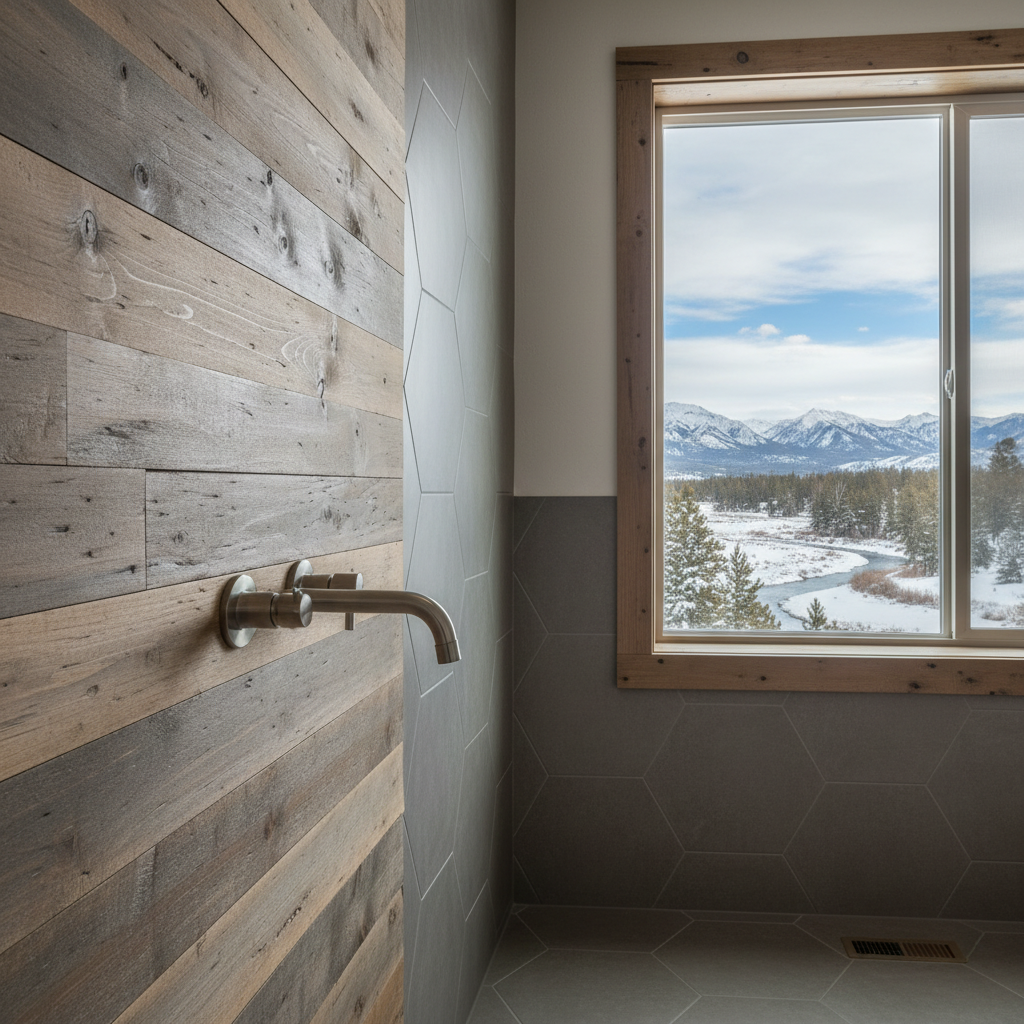
Consider your personal style, too. Bozeman homes have all sorts of looks, from rustic log cabins to modern farmhouses in places like the Valley West neighborhood. Make sure your new bathroom fits the rest of your house, or at least doesn't clash completely. Pick out your finishes early: tile, paint, vanity, toilet, shower/tub, fixtures. Having everything chosen and ordered *before* demo day will save you a ton of headaches and downtime.
During the Remodel: What to Expect & Who Does What
Once you've got your plan and materials, it's time to get dirty. This is where the DIY vs. Pro question really comes into play. Some things, you can definitely tackle yourself if you're handy and have the time.
- Demo: Tearing out old tile, vanities, toilets – that's often a DIY job. Just be careful, wear protection, and know where your water shut-off is. You don't want to accidentally flood your house.
- Painting: Absolutely a DIY task. Prep work is key, but anyone can paint.
- Basic Fixture Swaps: If you're just replacing a toilet or a vanity that uses existing plumbing lines, you might be able to do this yourself. Just make sure you know how to properly seal connections and test for leaks.
However, for most of the heavy lifting, especially anything involving water or electricity, you're going to want a pro. I can't stress this enough. Messing up plumbing can lead to leaks, mold, and major structural damage. Electrical mistakes can cause fires or electrocution. It's just not worth the risk.
- Plumbing: Moving drain lines, installing new shower valves, running new water supply lines – call a licensed plumber. Period.
- Electrical: Adding new outlets, moving light switches, installing new lighting fixtures (especially in wet areas) – get an electrician. Don't mess with wiring unless you're qualified.
- Complex Tiling: While some folks can lay basic floor tile, intricate shower tiling, especially with niches and slopes for drainage, is best left to experienced tile setters. You want it to look good and last, not leak.
- Drywall repair/installation: If you're tearing out walls, getting smooth, paint-ready drywall is an art. A good drywall finisher can make a huge difference.
At Treasure State Kitchen & Bath, we see a lot of folks who tried to DIY the hard stuff and ended up calling us to fix their mistakes. It almost always costs more in the long run than just hiring us from the start. We're happy to talk through what you're thinking of doing yourself and what really needs a professional touch.
After the Dust Settles: Enjoying Your New Space
Once everything's installed, cleaned up, and the tools are put away, take a moment to appreciate your new bathroom. But don't just walk away. There are a few things to keep in mind.
Maintenance: Keep an eye on grout lines, especially in the shower. Bozeman's dry climate can sometimes be forgiving, but water always finds a way. Re-caulk as needed. Clean your fixtures regularly to prevent hard water buildup – we've got some pretty mineral-rich water around here, so staying on top of cleaning helps keep things sparkling. Check under your sinks occasionally for any signs of leaks, especially after a few months of use.
Punch List: If you hired pros, do a final walkthrough. Make sure everything works as expected, there are no dings or scratches, and all the little details are taken care of. Don't be afraid to point things out. A good contractor will want you to be happy with the finished product.
A bathroom remodel is a big project, but with good planning and knowing when to call in the experts, it can be a really rewarding one. You'll end up with a space that's not just functional, but a true oasis in your home.